



About us
Samantha Lindsay is the founder and artistic force behind The Spongeware Company. With over thirty years experience in the antiques world, Sam has always had a passion for beautiful things.
Sam was originally introduced to the beautiful and timeless designs of antique Spongeware through her mother-in-law’s collection. This remarkable collection features many of Spongeware's rarest and most beautiful pieces, many of which are the inspiration behind the designs featured by The Spongeware Company.
Whilst Spongeware has always been much sought after, good examples are becoming increasingly rare and hard to find and it is exciting that some of the most beautiful designs can now be enjoyed by a wider audience.
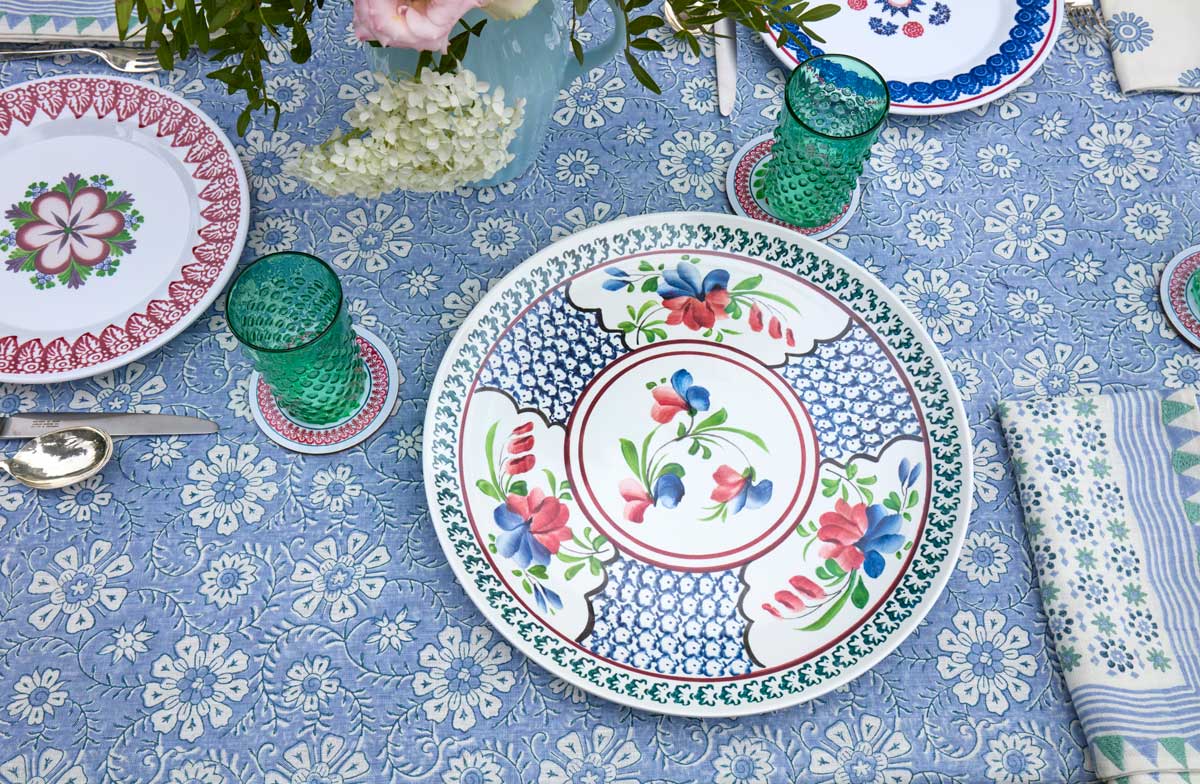
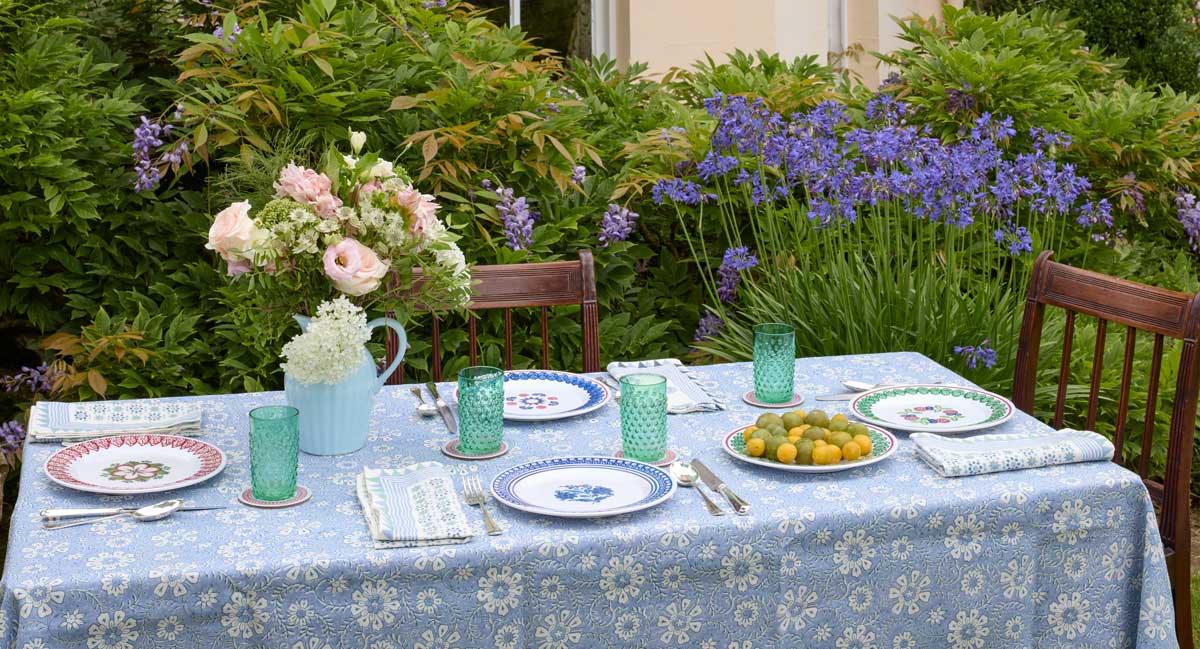
With an extensive range of colours and unique designs that are both traditional and modern, the Placemat and Coaster ranges enhance both an elegant dining room and a rustic country kitchen.


History of Spongeware
The designs reproduced by the Spongeware Company are a celebration of the beautiful artwork that was being created to decorate the Spongeware pottery being made in Scotland, Ireland, Wales and England in the early to late nineteenth century.
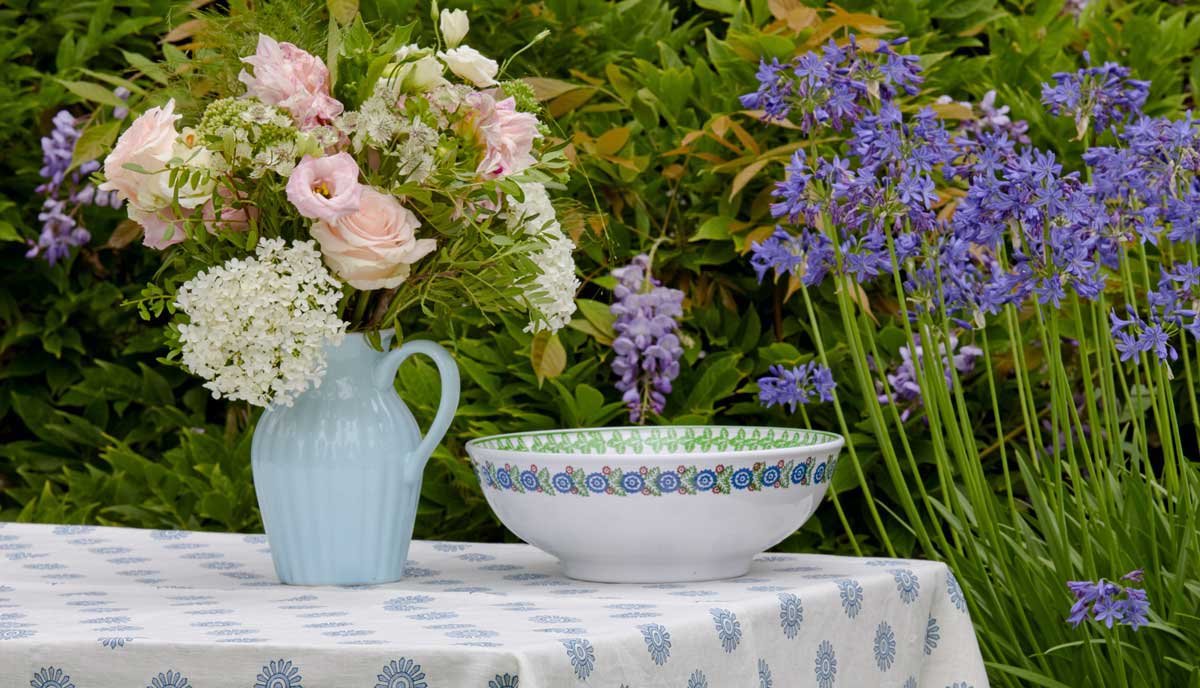
Spongeware Pottery was first produced in Scotland in the 1830’s and enjoyed its golden period from 1860 to 1880. The Spongeware potteries were based in areas where there was clay to make the pots and coal to fire the kilns and centres of production emerged in Scotland for the manufacture of stone and earthenware pottery. These potteries produced practical domestic plates, bowls, jugs and mugs decorated with elaborate and colourful sponge and hand painted designs.
The patterns were created by dipping a shaped sponge in coloured pigment and gently pressing it onto a piece of earthenware pottery of a contrasting colour, creating an overall sponged pattern. A clear glaze was then applied, and the piece fired. The most commonly used colours were red and blue and a various of shades of green.
Spongeware was also produced in Irish and some English potteries from where it migrated around the world. From the remote islands of the Scottish Hebrides to the vast prairies of North America, where it became known as Spatterware, Spongeware has been enjoyed and treasured.
Today Spongeware is very collectable and good examples are rare and highly sought after by collectors.